3D Coordinate Measuring Machine (CMM)
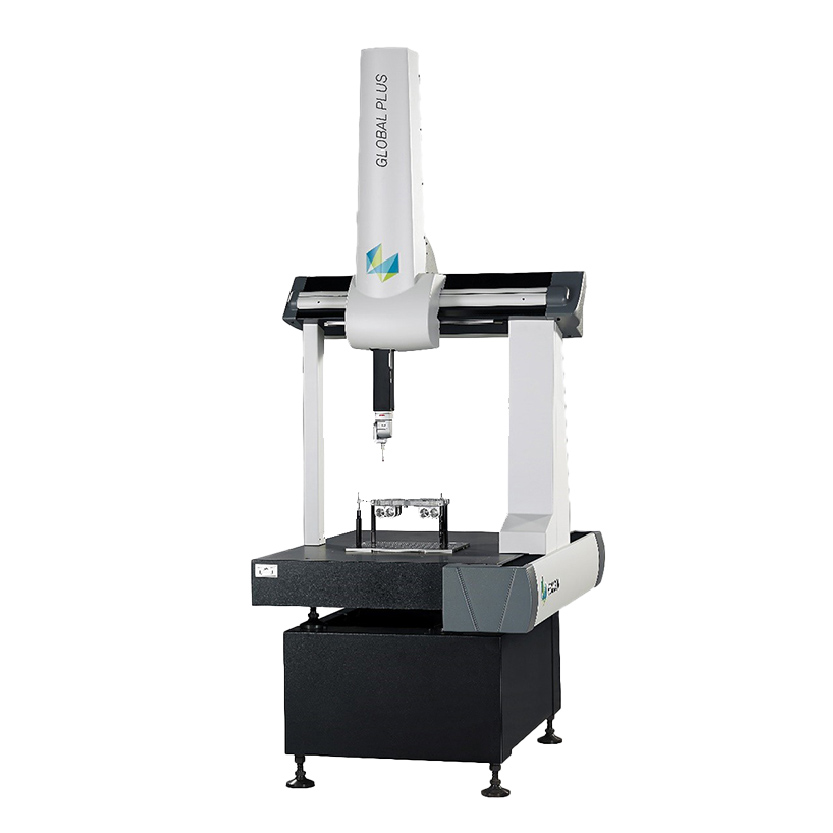
Using high-precision probes and optical scanning to quickly capture X/Y/Z dimensions and geometry, ideal for inspecting geometric tolerances of plastic parts.
Chung Hua Plastic integrates advanced testing equipment covering dimensional measurement, material analysis, environmental simulation, impact resistance, and sealing performance, ensuring every process meets international quality standards.
Using high-precision probes and optical scanning to quickly capture X/Y/Z dimensions and geometry, ideal for inspecting geometric tolerances of plastic parts.
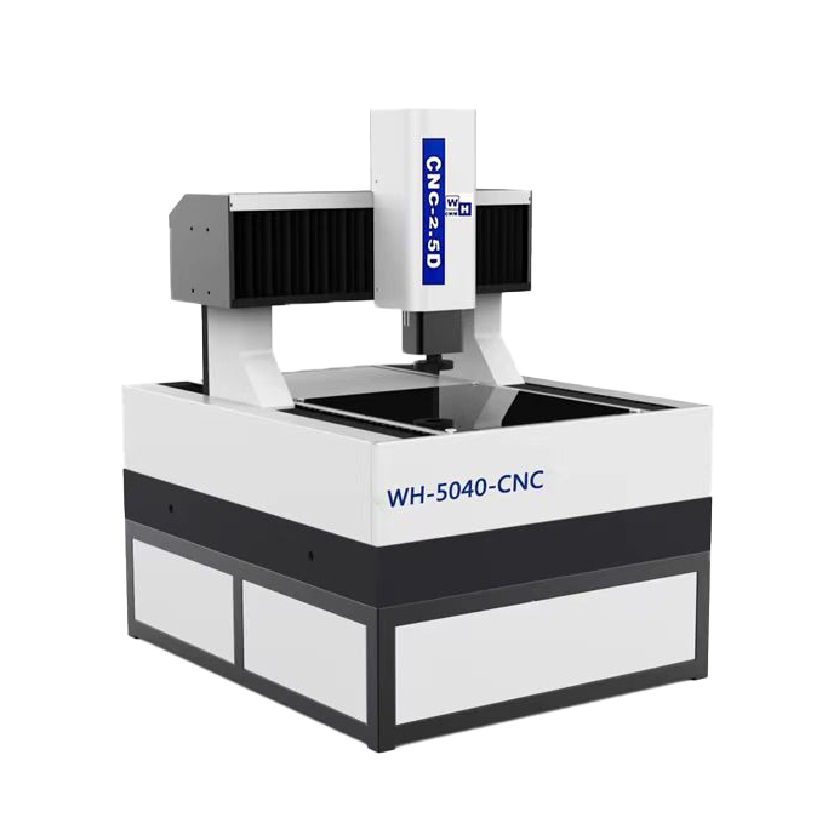
Uses image recognition for automatic measurement of length, width, hole size, and spacing—fast and highly repeatable, ideal for high-volume inspections.
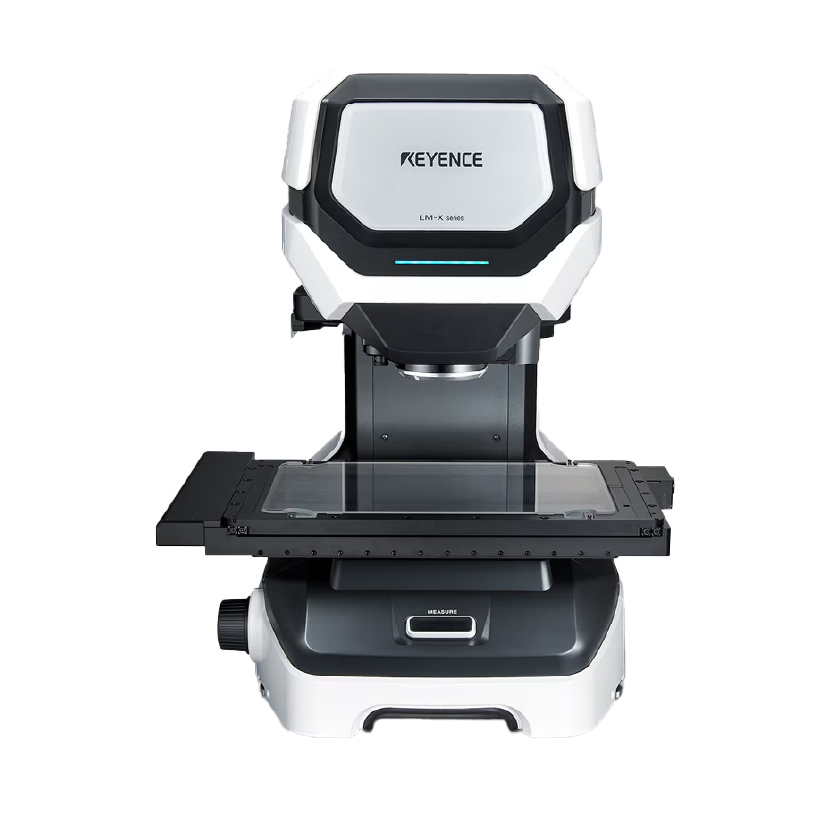
Combines imaging and height scanning to measure flatness and slight height variations—ideal for surface structures and small component analysis.
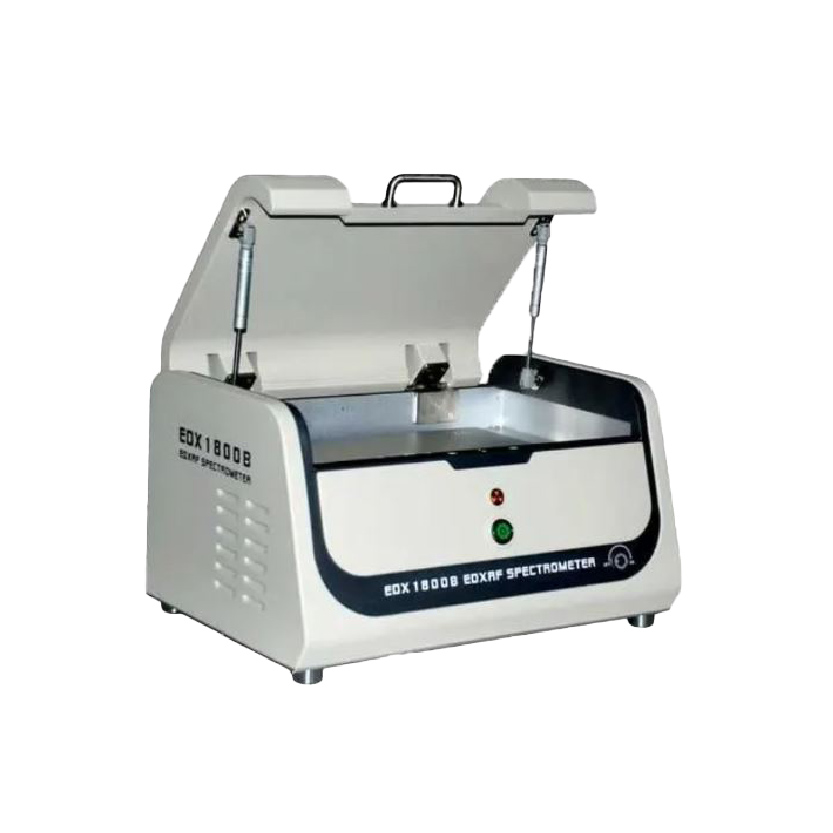
Non-destructive elemental analysis to quickly detect RoHS-restricted substances (e.g., lead, cadmium) in metal or plastic materials.
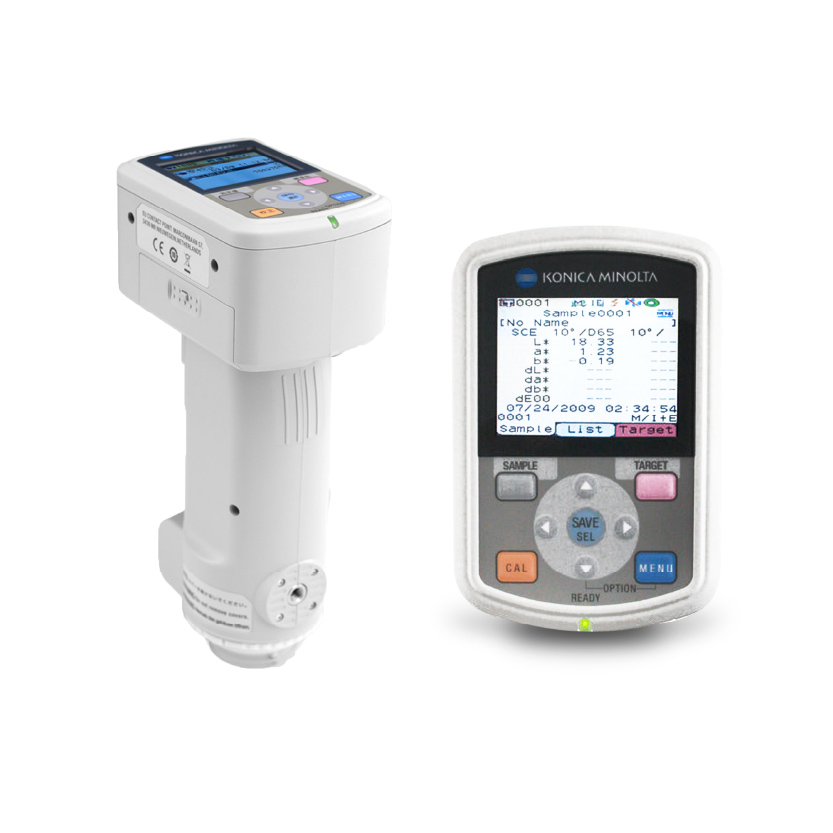
Measures surface color accuracy to verify compliance with color standards—commonly used for appearance quality control and color consistency checks.
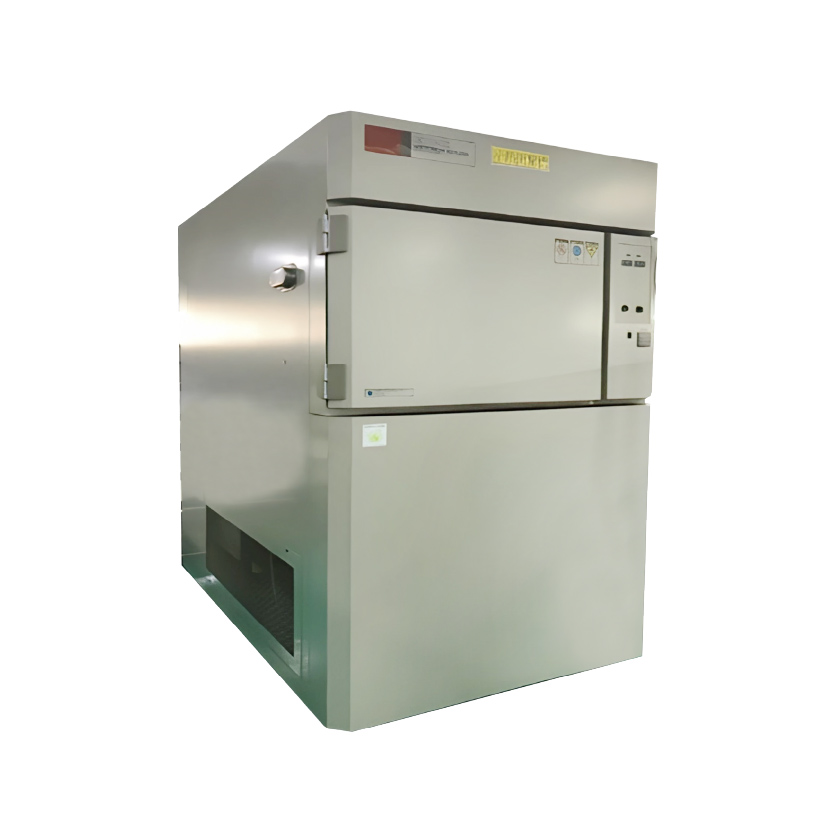
Simulates extreme temperature fluctuations to test product stability and crack resistance under thermal stress.
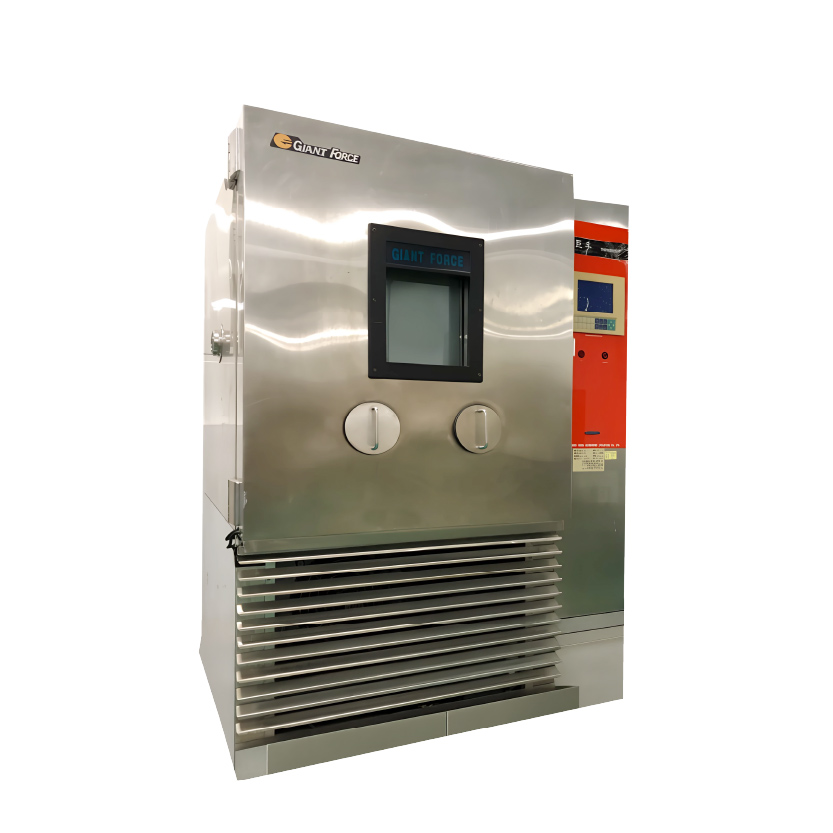
Simulates storage and operation under varying temperature and humidity to check for deformation, aging, or deterioration.
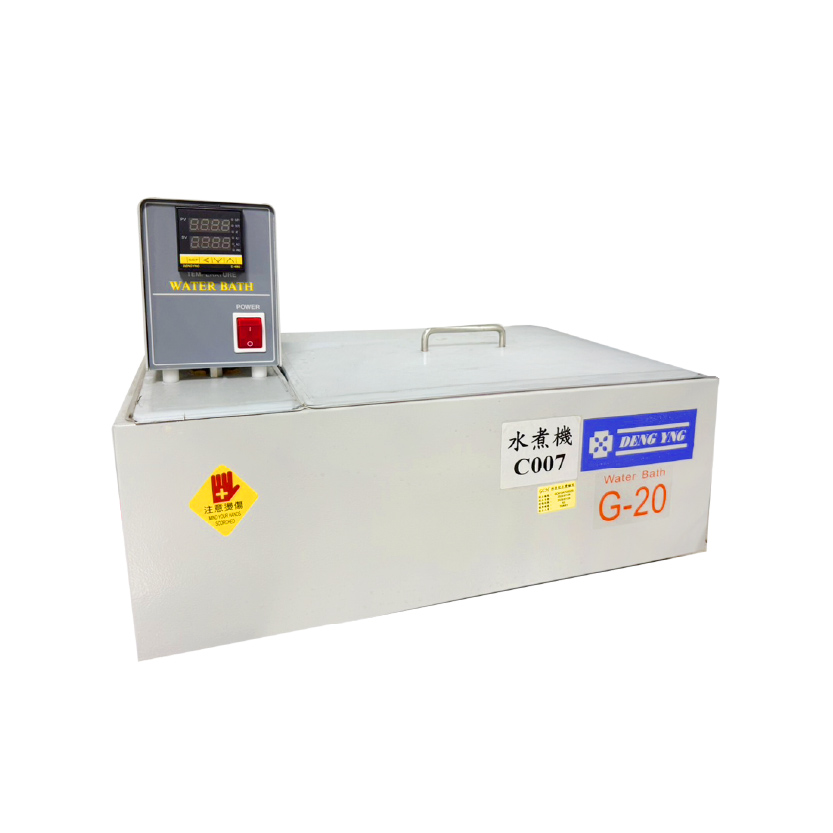
Uses boiling water tests to verify sealing and material durability under high heat and humidity—commonly applied for waterproof testing of plastic components.
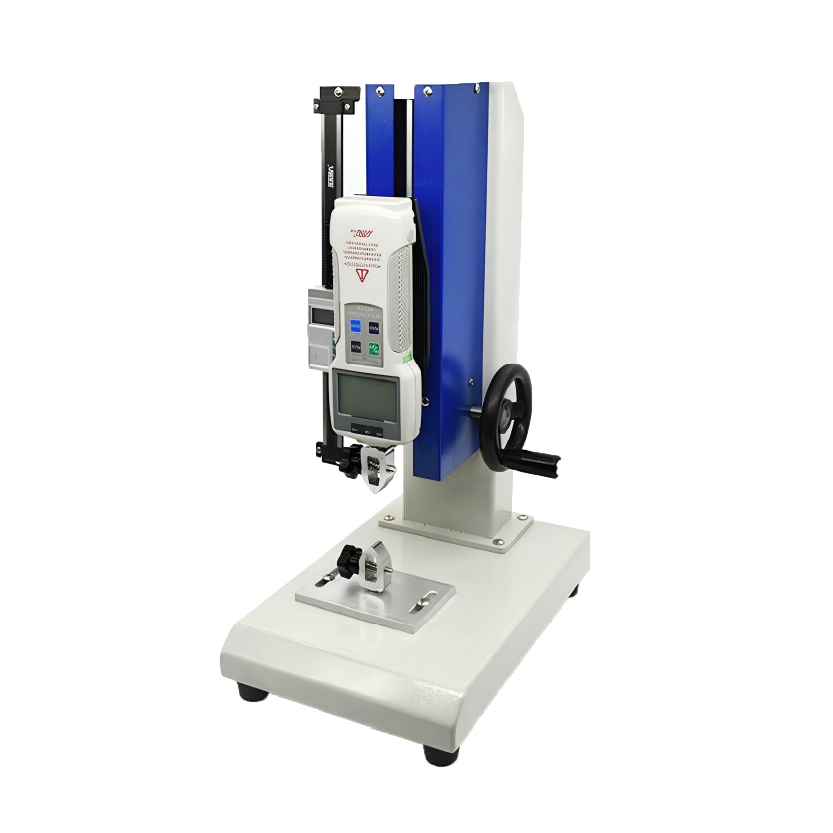
Tests product strength and failure points under tension or compression—commonly used to assess the durability of joints, hinges, or fasteners.
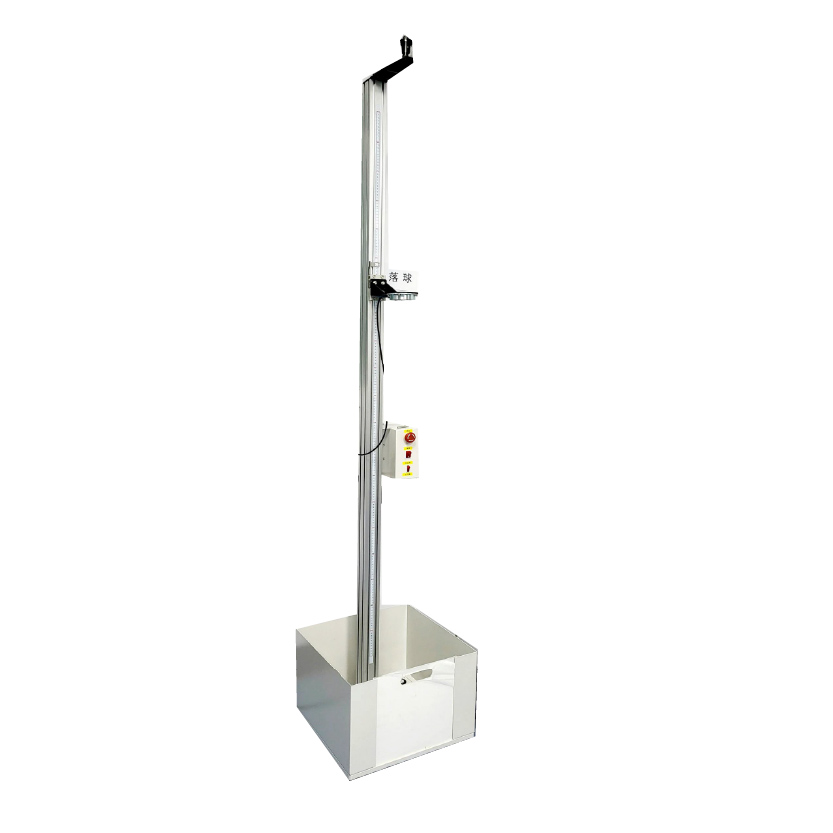
Drops a steel ball from a fixed height to check for cracks or deformation—evaluates impact resistance.
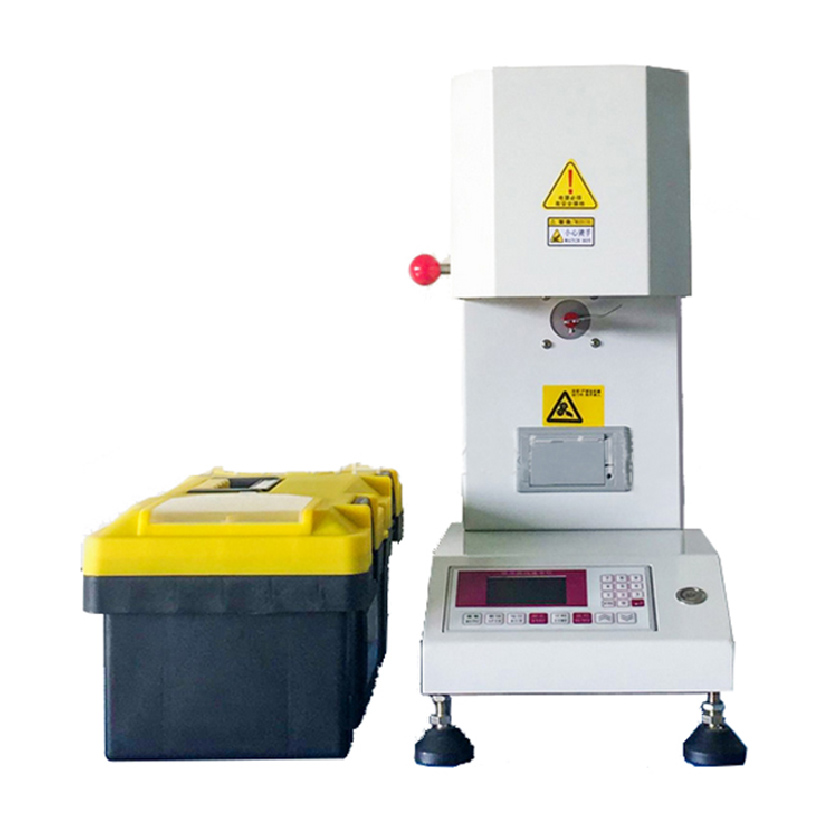
Measures the flowability of thermoplastics under heat and load—higher values indicate easier flow, used for material grade control.
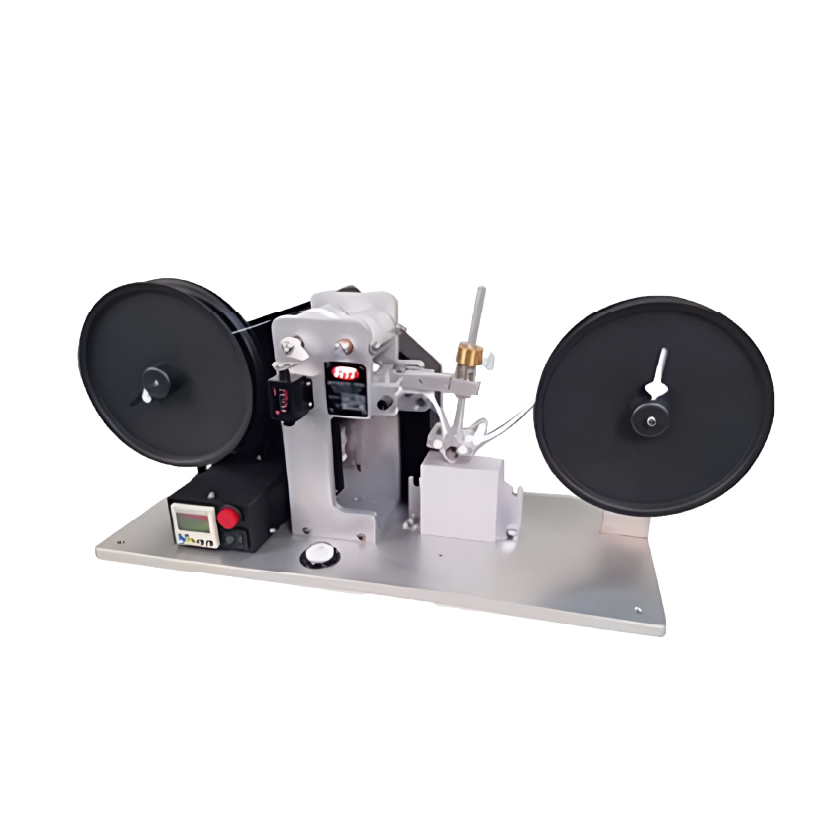
Uses standardized pressure and abrasive rotation to test coating wear resistance—commonly applied to plating, painting, or printed films.
Places the product in pressurized water to check for bubbles, a common method for waterproof testing.
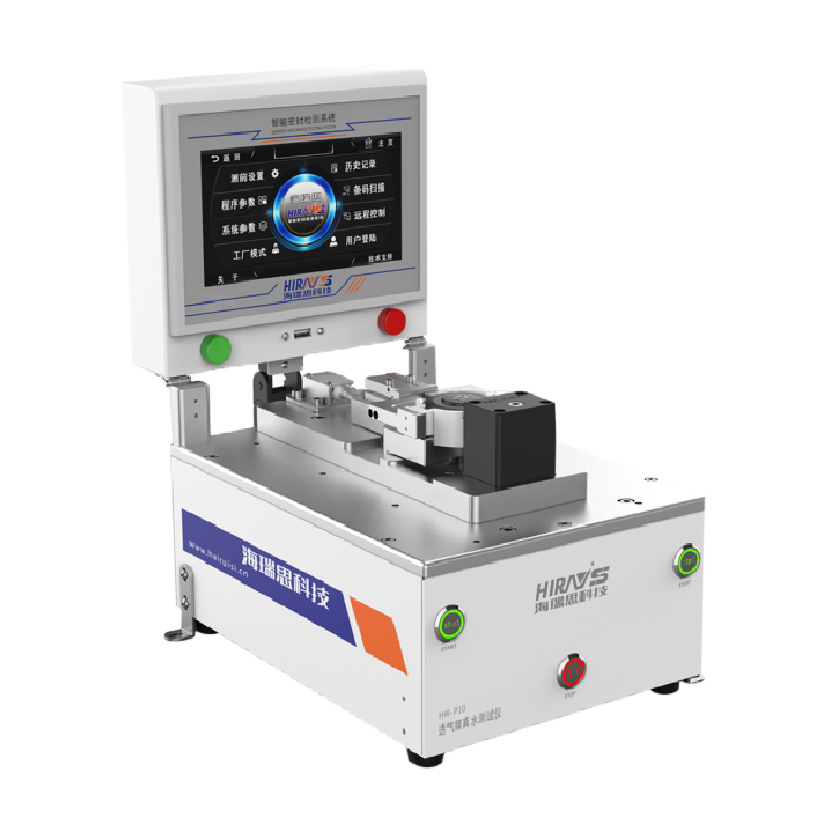
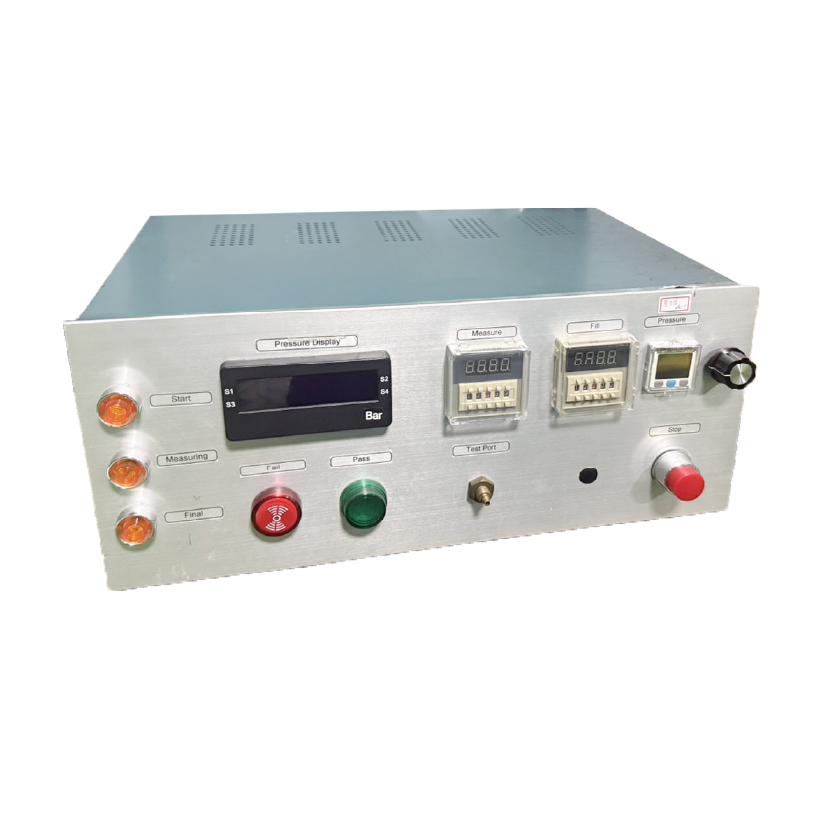
Uses air pressure or vacuum to test sealing integrity—accurately detects micro-leaks in electronics, connectors, and housings.